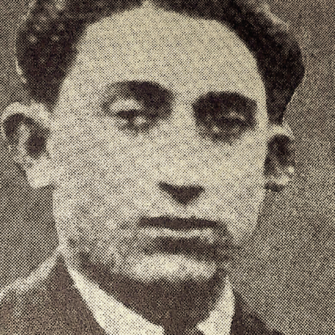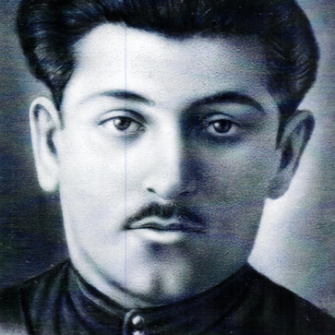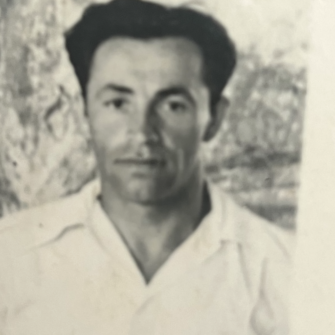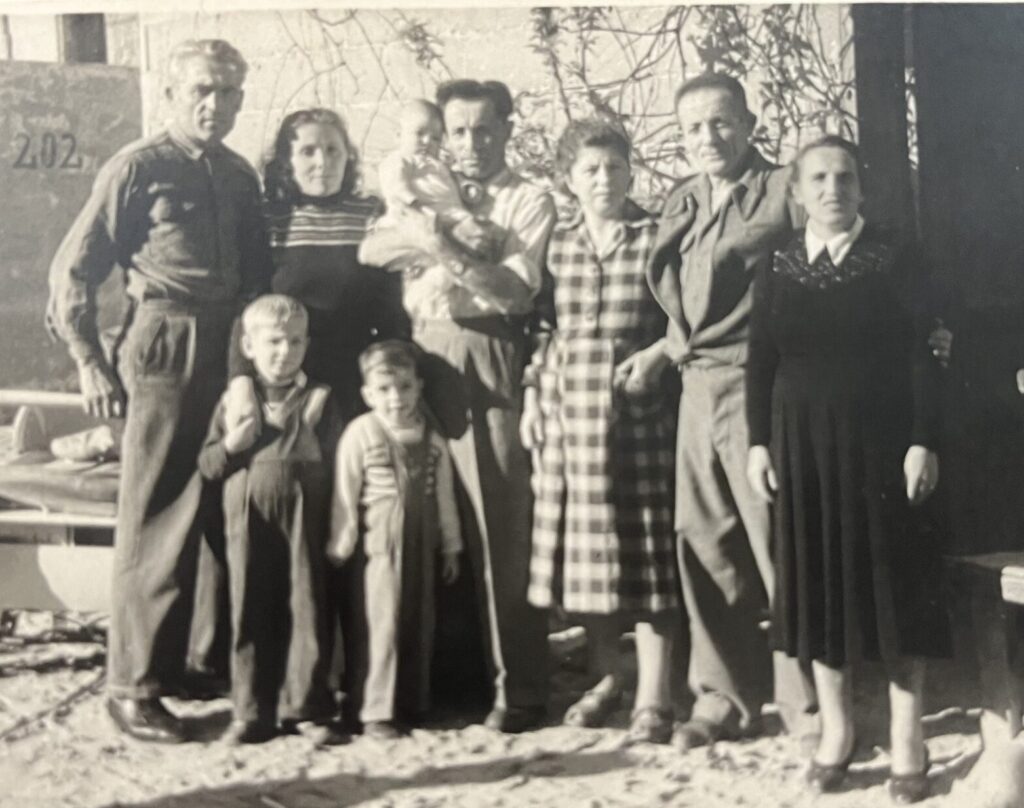
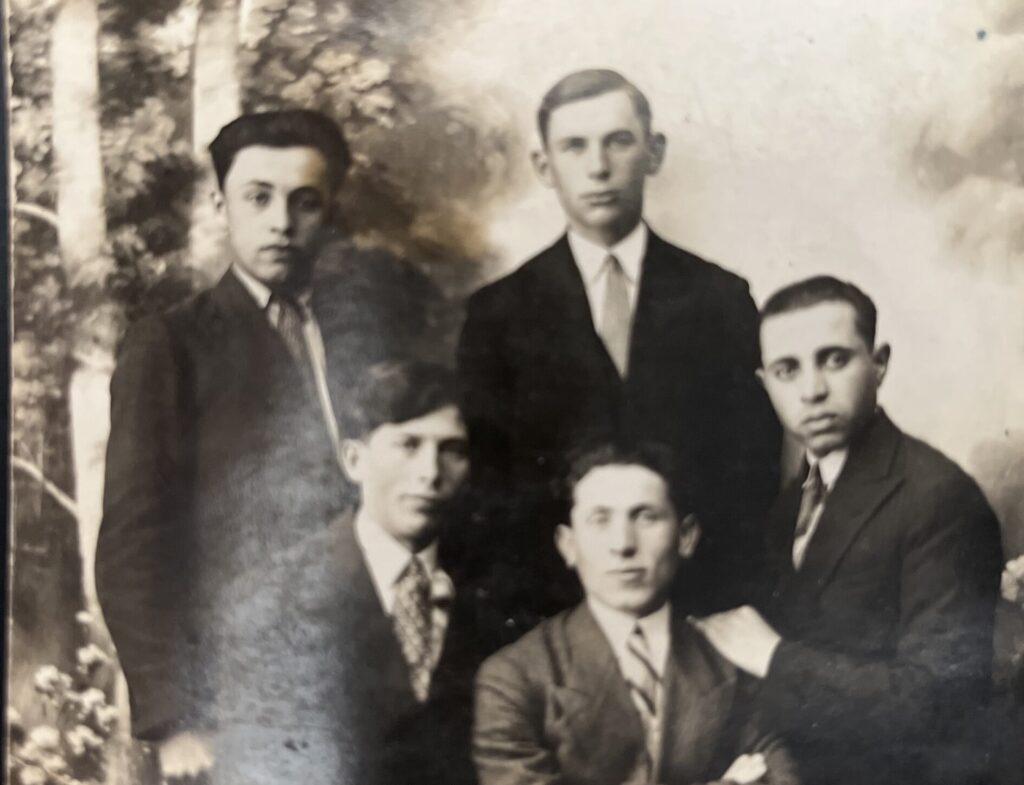
Yitzhak (Isaac) Weisman was born in 1915 in Luboml (Ludmir), then part of Poland (today Lyuboml, Ukraine), into one of the town’s longstanding Jewish families. His parents were Shmuel David and Batia Weisman. Batia died of typhus fever in 1919. Shmuel David and Batia had three children: Nachman, Yitzhak, and Rochel. Before the Holocaust, Luboml was home to a vibrant Jewish community whose traditions stretched back centuries. At the end of 1937, 3,162 Jews lived in Luboml. Like many children growing up there, Yitzhak was surrounded by close family ties and a rich religious and cultural life that would later be destroyed during the Holocaust.
From an early age, Yitzhak displayed an extraordinary artistic talent. His elementary school teacher recognized his gift and urged his father to allow him to attend a specialized art school in a larger city. The teacher was so convinced of his abilities that he explained the Polish government would provide a stipend to cover his education. Despite this rare opportunity, Yitzhak’s father declined, unwilling to send his young son so far away from home. Although his artistic education never materialized, this story, preserved by his family, speaks to the remarkable promise others saw in him from childhood.
The German invasion of the Soviet-occupied region in June 1941 brought catastrophe to Luboml’s Jewish population. Like thousands of other Jews in Volhynia, the Weisman family was forced into the Luboml ghetto as persecution intensified. On December 6, 1941, a ghetto was created in Luboml. Two small armed underground groups were formed in the ghetto in 1942. They manufactured false documents giving permission to leave the ghetto, procured weapons, organized escapes, and planned armed resistance. Both groups fled to the partisans around the time of the liquidation of the ghetto, but only a few members of the resistance organization are known to have survived.
On October 1, 1942, the Germans commenced the liquidation of the ghetto. Resistance groups organized within the Luboml ghetto, and acts of resistance took place even during the ghetto’s liquidation. During the liquidation of the ghetto, Yitzhak and several of his siblings managed to escape rather than face deportation and certain death. A group of 30 young people managed to reach the forest; in mid-1943, they joined a Soviet-Volhynian partisan division commanded by General Alexei Fyodorov. Groups and individuals who fled to the Shatsk forests found their way to various Soviet units; some of them died, fell in battle, or were murdered in early 1944 at the hands of antisemitic Polish partisans, apparently from the NSZ movement.
Family accounts indicate that Yitzhak, together with his brothers and sisters, joined the Jewish partisan movement in the forests of Volhynia. Nachman and Yitzhak joined the Jewish Partisans and Fighters of Volyn. Although surviving documentation has not definitively identified his unit, family tradition suggests that they served with the Fyodorov Chernihiv (Chernigovsky) Brigade, one of the best-known Soviet partisan formations operating in the region. This connection is supported by the experience of another partisan survivor from Luboml who served with that brigade. Life in the forests demanded extraordinary resilience. Partisans endured hunger, disease, severe weather, and constant danger while carrying out acts of resistance against German forces and struggling simply to survive.
Luboml was liberated on July 19, 1944; 51 survivors returned to it. Against overwhelming odds, Yitzhak survived the war. He was among only 51 Jews from Luboml known to have survived the Holocaust. His sister, Rochl Leiter (née Weisman), later preserved the memory of their destroyed community through several contributions to Luboml: The Memorial of a Vanished Shtetl, ensuring that the people, customs, and tragedies of their hometown would not be forgotten.
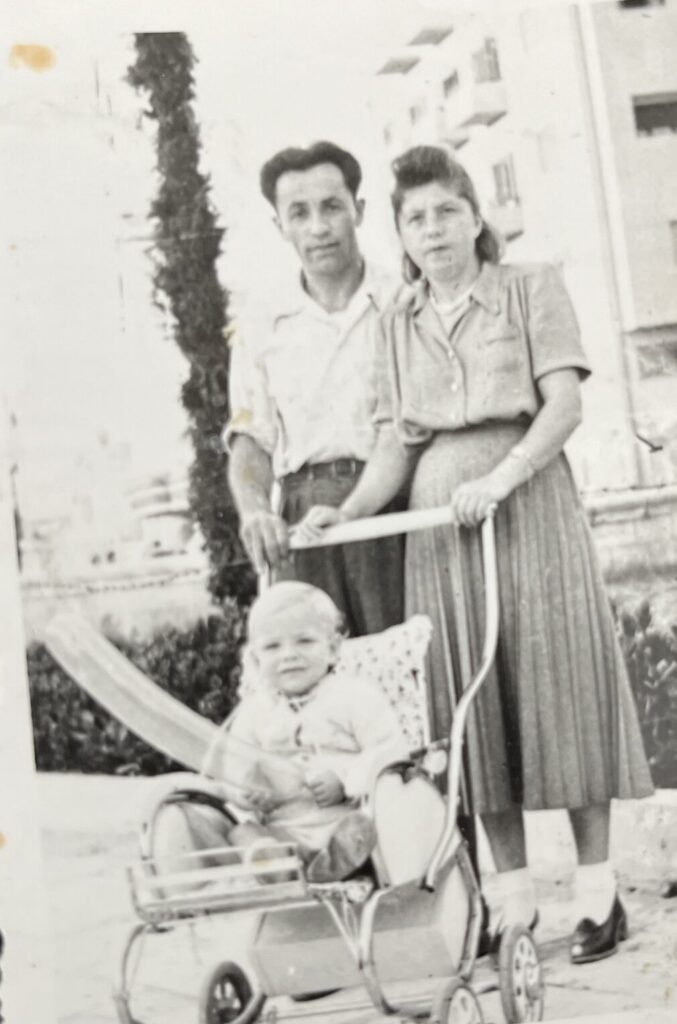
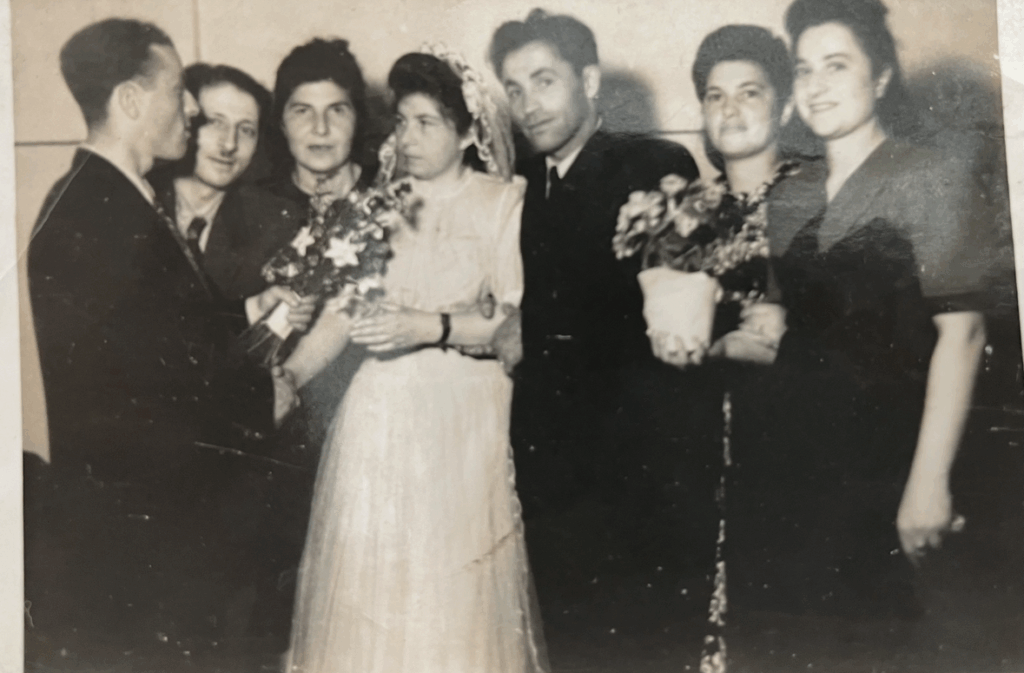
After liberation, Yitzhak met Golda, another Holocaust survivor, in a Displaced Persons camp in Germany. The two married and, like many survivors seeking to rebuild their lives, immigrated to Israel in approximately 1947. According to family recollections, Yitzhak and his brother joined the Haganah shortly after arriving and participated in Israel’s War of Independence. Following the establishment of the State of Israel, the family settled in the Givat Aliyah neighborhood of Jaffa.
In peacetime, Yitzhak returned to building. Trained as a carpenter, he found work constructing theatrical sets for Habima Theatre in Tel Aviv, Israel’s national theater. His profession reflected, in many ways, the artistic path that had nearly begun in childhood. Although he never attended the art school his teacher envisioned for him, he spent his adult life creating with his hands, transforming wood into scenery that brought performances to life.
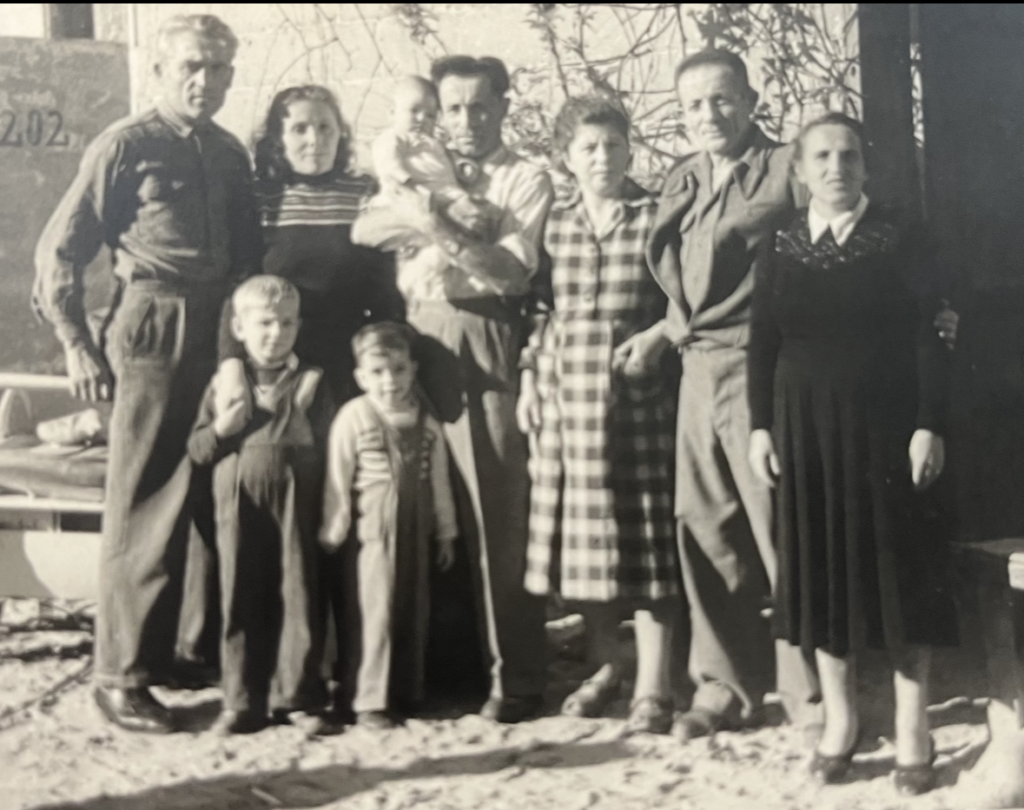
During the mid-1950s, Yitzhak and his family immigrated once again, this time to Toronto, Canada, in search of new opportunities. Tragically, he died only a few years later while his son was still a young child in 1959. Because of his early death, many details of his life were never passed down within the family. His widow, Golda, later remarried and rarely spoke about her first husband, leaving subsequent generations to reconstruct his story through fragments of memory, family testimony, and historical research.
Today, Yitzhak Weisman’s legacy survives through those fragments. His story reflects not only the destruction of Jewish life in Luboml but also the resilience of the small number of survivors who rebuilt their lives across Israel and North America. The memories preserved by his family, including the tale of the gifted boy whose teacher recognized his artistic brilliance, restore individuality to a man whose life might otherwise have been reduced to a name on a list of survivors. Together with the memoirs written by his sister, they ensure that both Yitzhak Weisman and the vanished Jewish community of Luboml continue to be remembered.