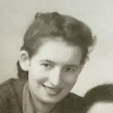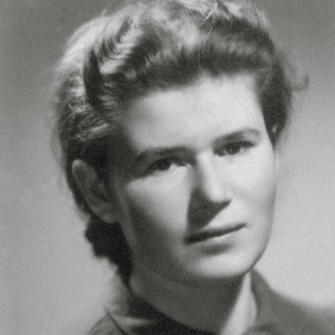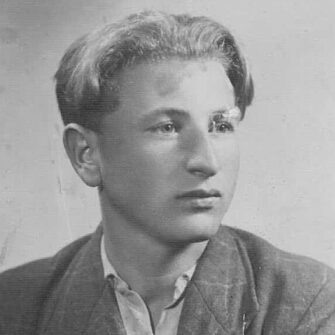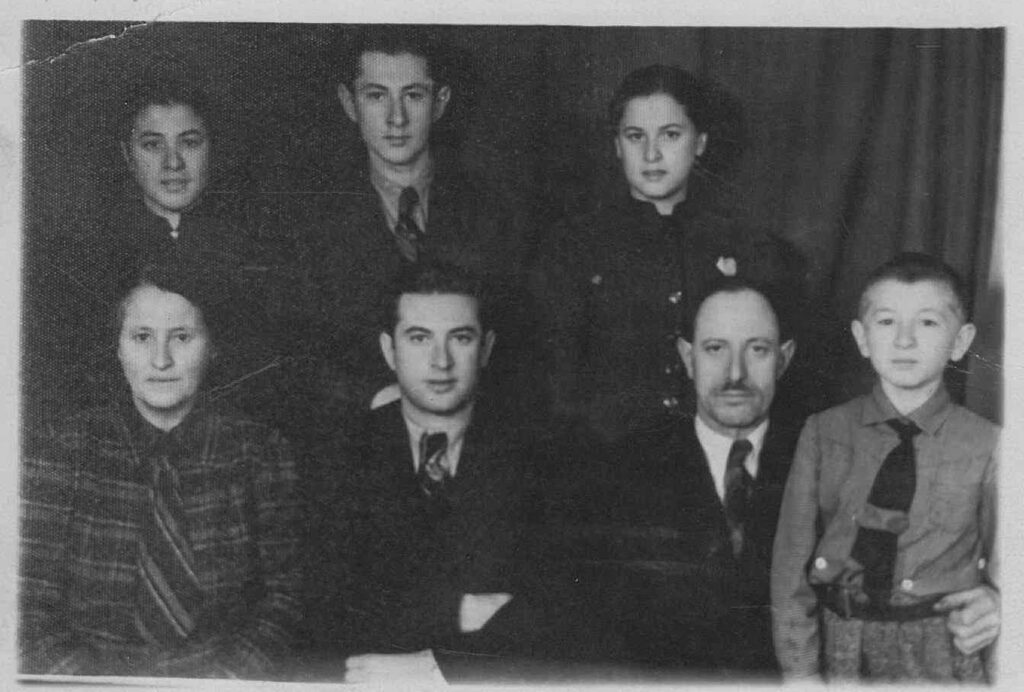
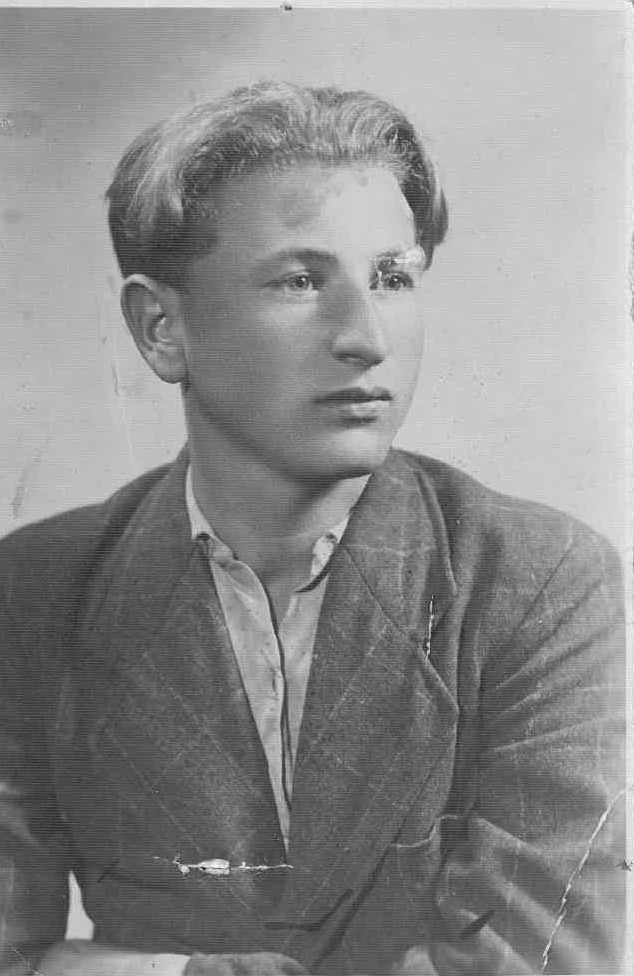
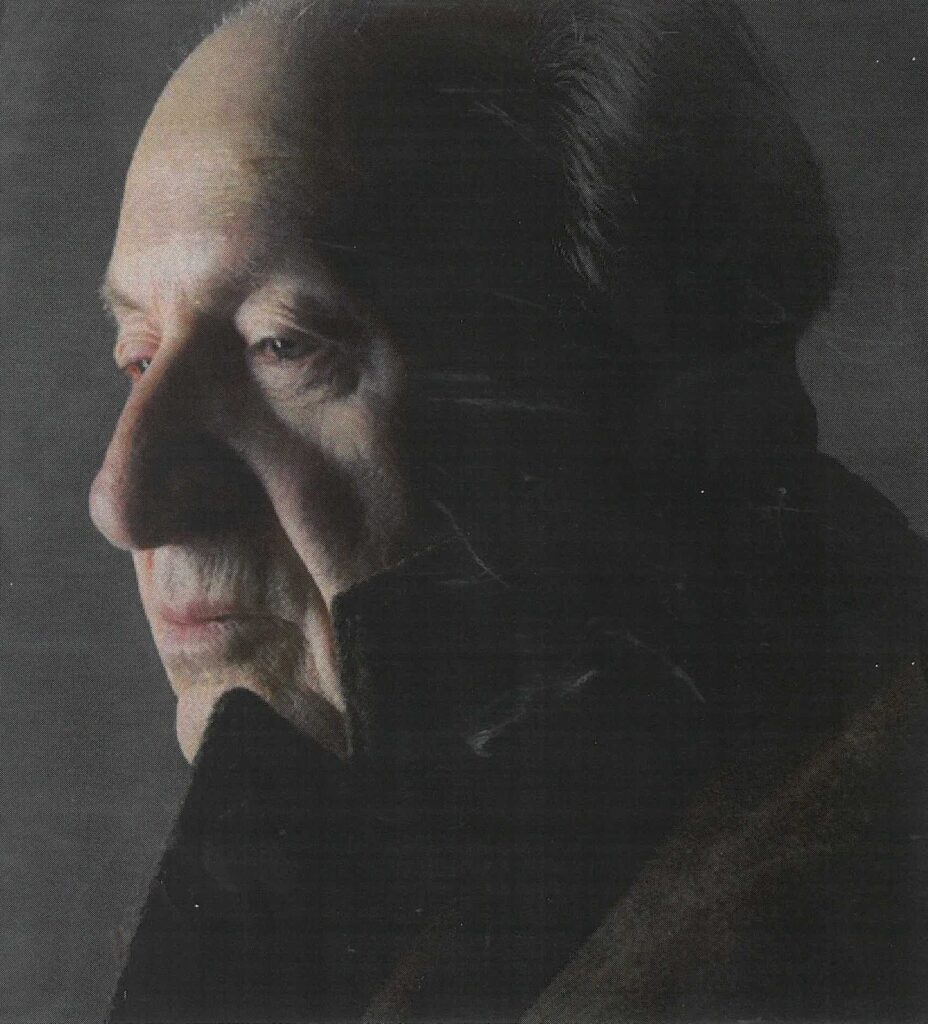
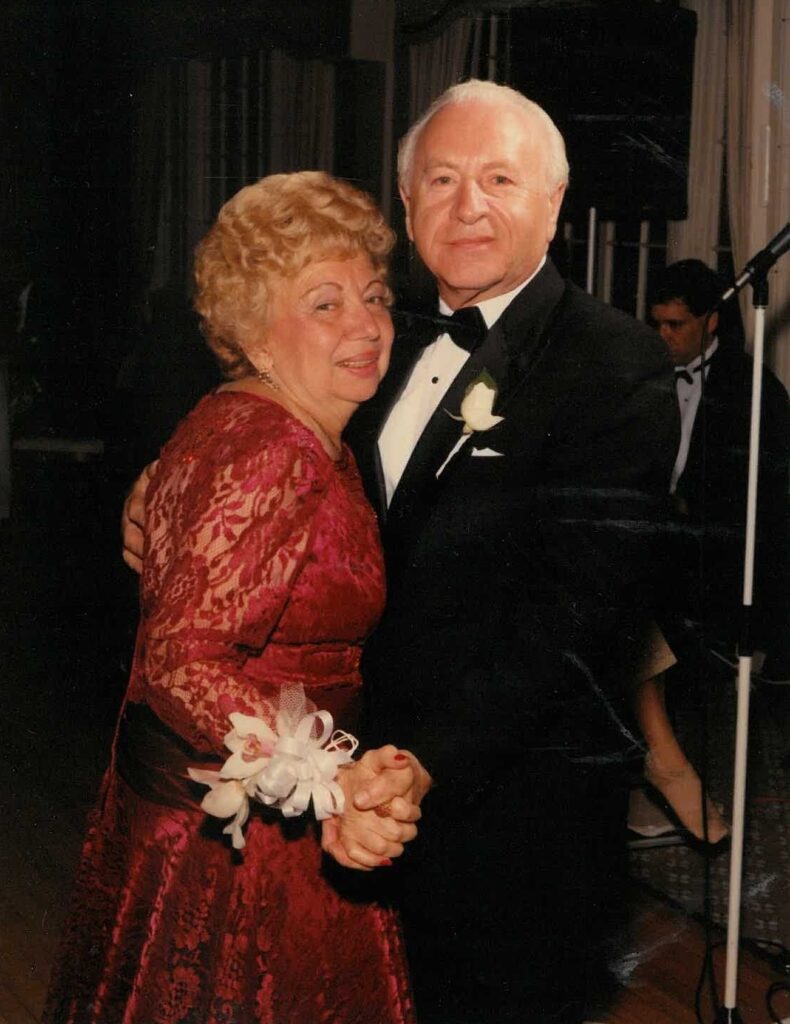
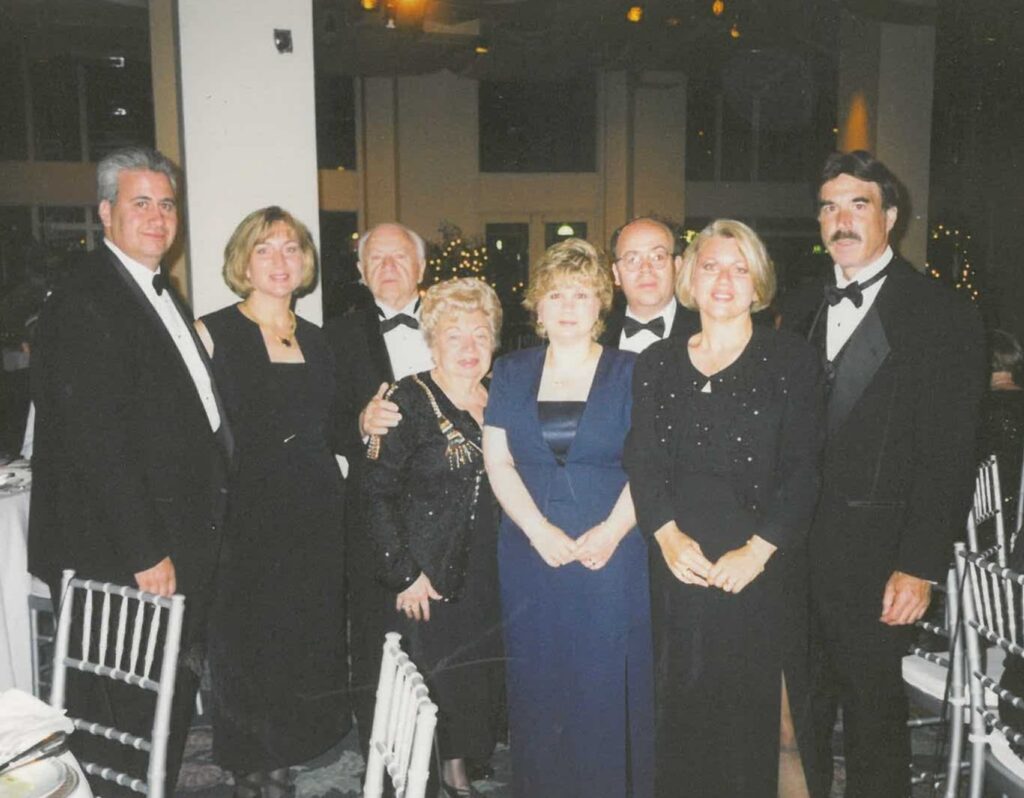
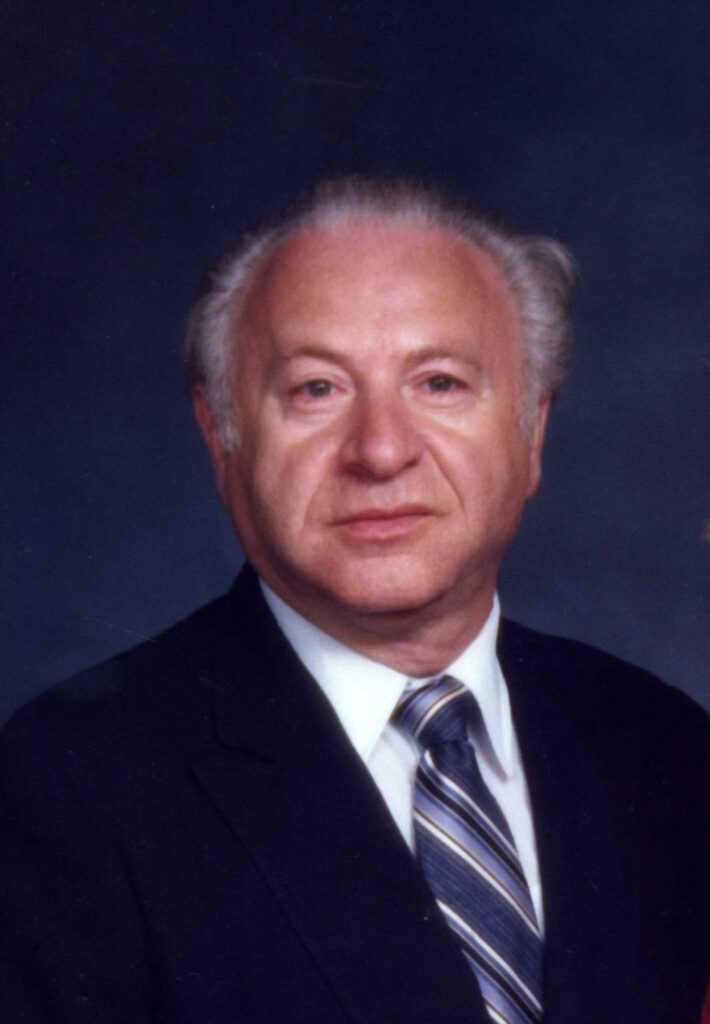
Abram Zyzemski (later known as Alfred Zenner) was born on August 5, 1927, in Lida, Poland (now Belarus), to Mordechai, a cobbler, and Tzirel Magulska. He was the youngest of five with older siblings Gedalia, Sholom, Shayna and Chaika. Abram was especially cherished by his family, including his loving grandparents, who lived nearby.
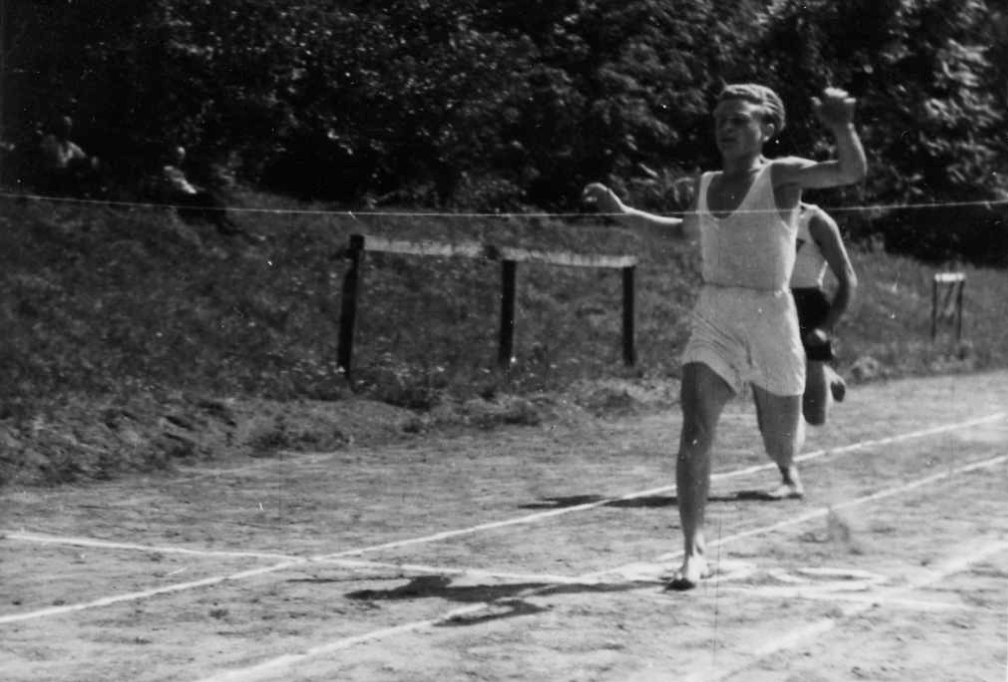
Abram enjoyed a happy and carefree childhood. He attended a Jewish school and was a natural athlete with a passion for sports, especially soccer. He spent afternoons playing with neighborhood friends, including Michael Stoll (Stolowitzky). The two boys survived the Holocaust together and remained friends throughout their lives.
Prior to World War II, Gedalia, Abram’s oldest brother, immigrated to Palestine. Abram and the rest of his family remained in Lida. In 1939, Lida fell under Soviet occupation. Daily life became a struggle as food and supplies became scarce and Jewish schools were closed , forcing children to attend Russian schools. In June 1941, Germany invaded Lida after breaking the Molotov-Rippentrop Pact with the Soviet Union. Incendiary bombs caused massive fires, destroying a large portion of the city. Jewish leaders were murdered and all Jews were forced to wear the yellow Star of David intended to segregate them from the general population.
In September 1941, the Lida Ghetto was created. The Zyzemski family was confined within its overcrowded walls under horrific and brutal conditions. While Abram was away performing forced labor, his parents and sister Shayna were rounded up and murdered along with thousands of other Jews. Shattered by his loss, fifteen-year-old Abram escaped into the surrounding forests.
Shortly after, his brother Sholom and sister Chaika escaped the ghetto and were reunited with him. All three joined the Bielski Partisans, the Jewish resistance group that rescued more than 1,200 Jews while carrying out missions to sabotage the German’s war effort. Initially, the Bielski brothers were reluctant to accept Abram because of his young age. However, Chaika insisted he would prove himself, which he did in numerous ways.
As a partisan, Abram took part in dangerous raids, derailed trains, scouted for food and supplies, and guarded the camp. He repeatedly risked his life by returning to the Lida Ghetto to bring food to those still trapped inside. During one mission, he secured much-needed food and supplies from a local bakery cellar, which he brought back to his camp.
On another mission, Abram was captured and beaten by German soldiers. He survived only because a Polish official recognized him and intervened. Tragedy struck again when his brother Sholom was killed while searching for food. Chaika and the Bielski partisans were now his only family.
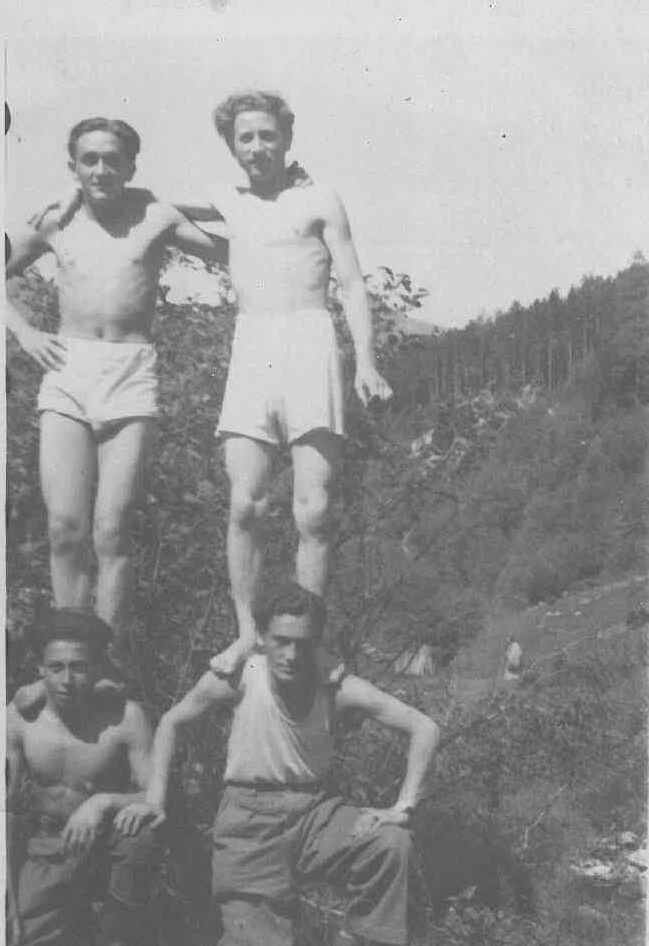
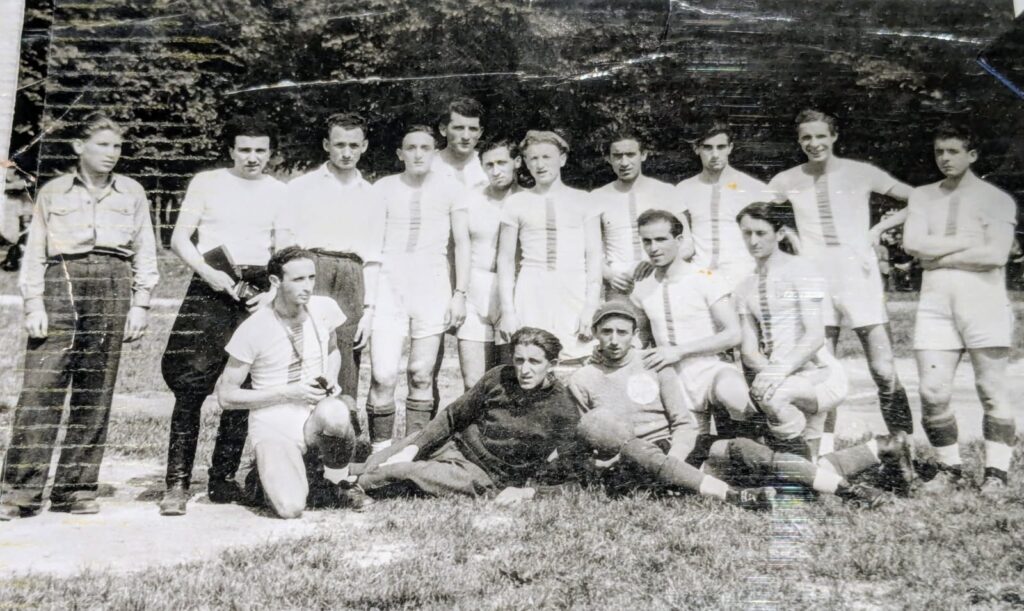
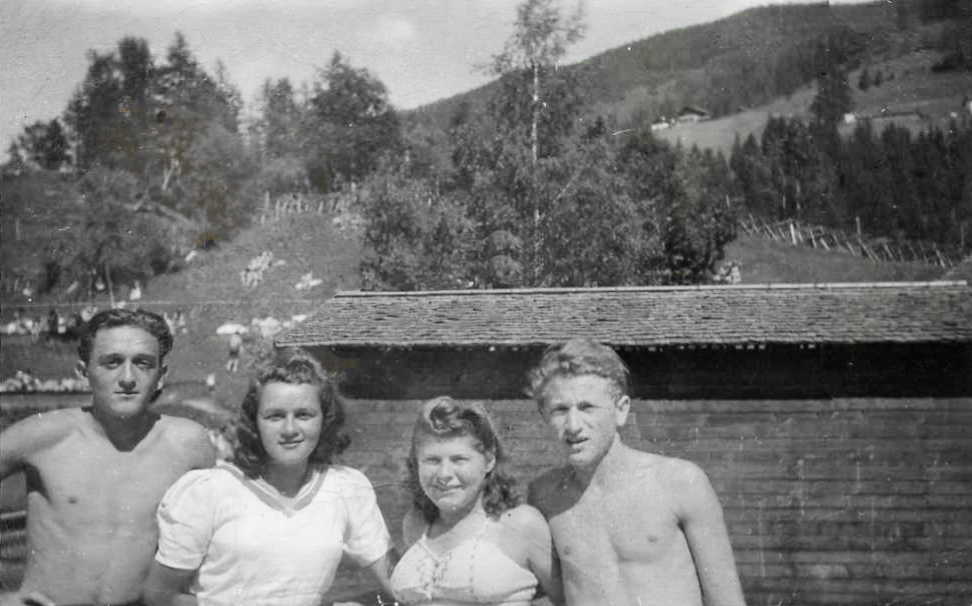
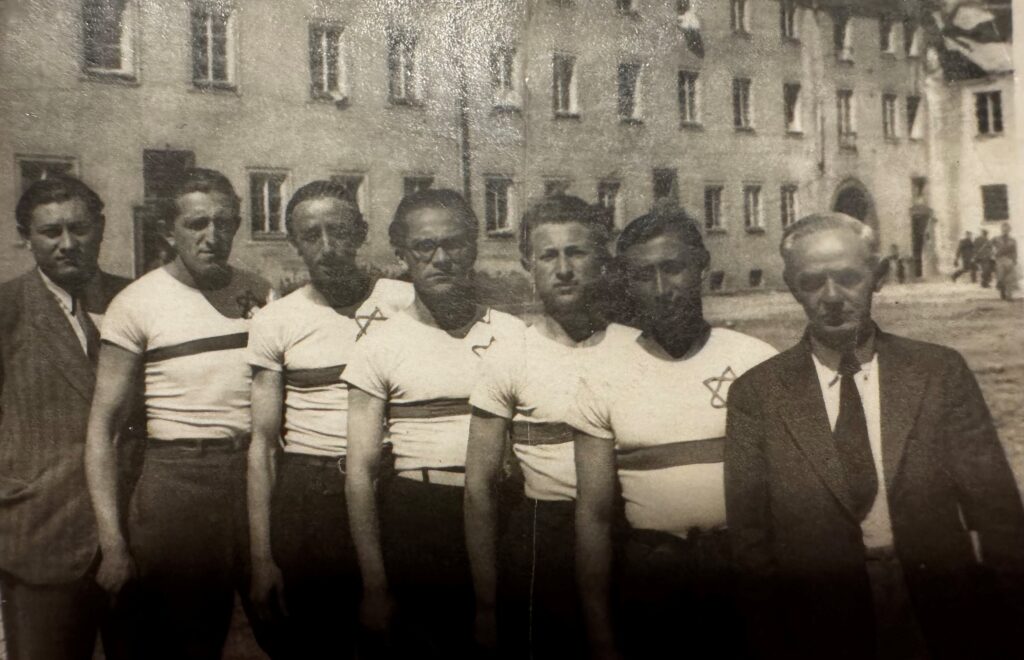
After the war, Abram planned to immigrate to Palestine. In the meantime, he traveled though Poland, Czechoslovakia, and Austria before arriving at the Displaced Persons Camp (DP Camp) in Bad Gastein, Austria. He socialized with friends by playing table tennis and cards. He participated in a variety of sports including skiing, running, and soccer. He proudly wore his favorite number 7 while playing center forward on his DP camp’s soccer team. That team competed in what he referred to as the Maccabi games. Surrounded by the Alps, he began the long process of rebuilding his life and recovering from the trauma of war.
As his stay at the DP Camp came to an end, Abram’s future remained uncertain. He traveled throughout Italy with a friend, repairing metal roofs to survive. Unexpectedly, an opportunity presented itself when the Hebrew Immigrant Aid Society (HIAS) delivered life-changing news. His maternal aunt, Sarah Widoff, who lived in Boston, stepped forward to sponsor his immigration. With hope and determination, he embraced this chance to start over.
Ironically, both Abram and his father, Mordechai, had the chance to come to America under much different circumstances. Before the war, Mordechai visited relatives in Pittsburgh, Pennsylvania, but chose to return to marry Tzirel and start a family. Abram, however, came to America after surviving the Holocaust to pursue a completely new beginning.
On March 10, 1947, Abram departed Bremerhaven, Germany, aboard the troopship SS Ernie Pyle, which arrived in New York on April 5. He traveled alone, as his sister Chaika, had married Wolfke (Wolf) Alexandrovich and chose to settle in Montevideo, Uruguay with his family. Through a twist of fate, Boston became his permanent home.
In America, Abram embraced new opportunities. Through determination and hard work, he became an entrepreneur. He owned a grocery store, worked as a butcher, invested in real estate, and eventually became co-owner of a successful wholesale meat company serving restaurants throughout the Boston area.
While attending an English as a Second Language (ESL) class, Abram met Micheline Himelfarb, a Holocaust survivor from Paris. Over the years, he told his daughters how he was smitten from the very first moment he laid eyes on their mother. They married in 1950 and built a life grounded in love, resilience, and hope. Together they raised three daughters and were blessed with six treasured grandchildren. While he sadly never got to meet his seven great-grandchildren, his legacy of love continues to thrive in the beautiful family he built.
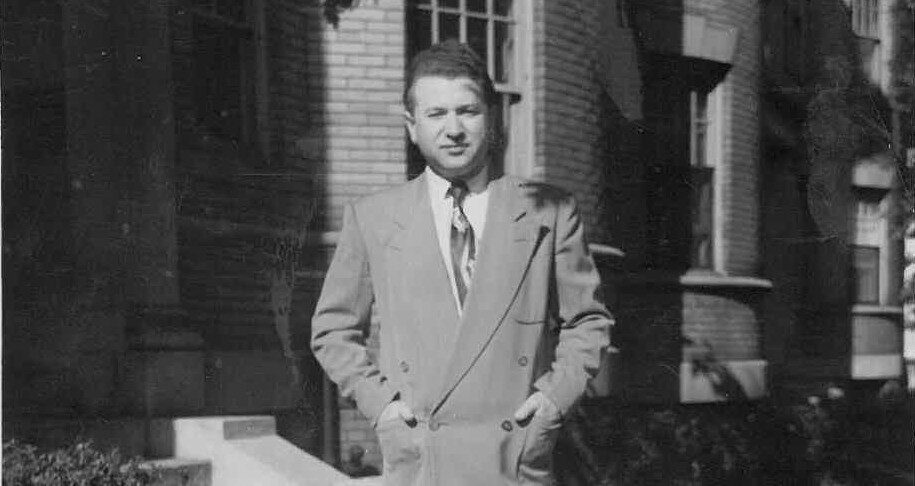
Upon becoming a U.S. citizen, Abram legally changed his name from Abram Zyzemski to Alfred Zenner. Humble and soft-spoken, he was reluctant to publicly discuss his wartime experiences or the lives he helped save. Yet, others have never forgotten.
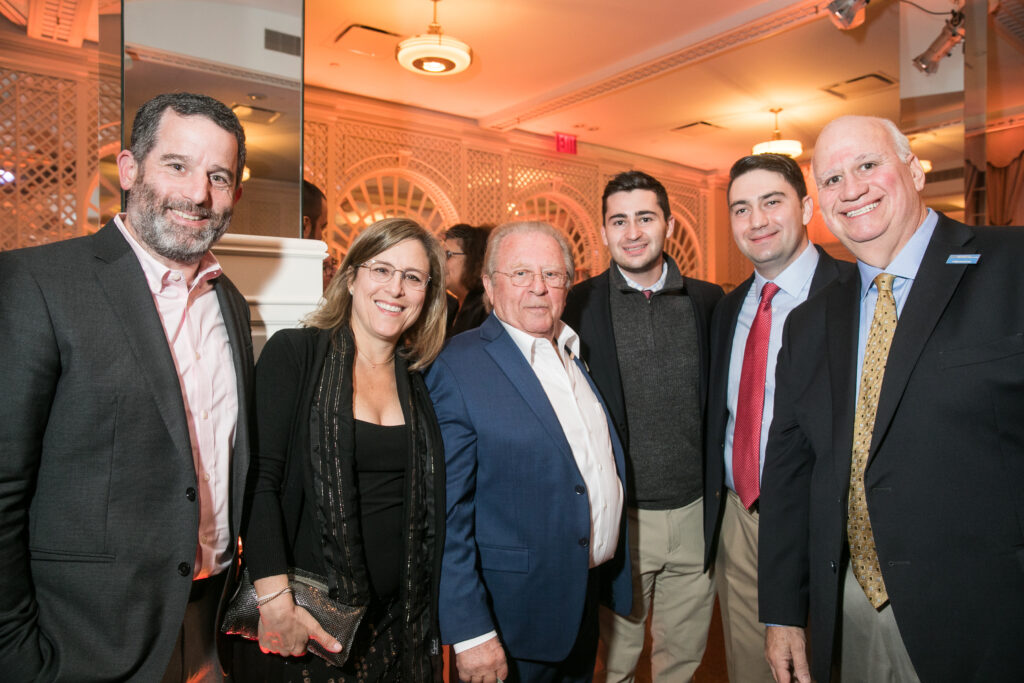
At a Lida survivors’ reunion, a lifelong friend called him a true hero. Nearly a decade later, at the November 2023 Jewish Partisan Educational Foundation Tribute Dinner in New York City, two of Alfred’s grandsons met a fellow Bielski survivor, Melvin Blankfeld, who shared a remarkable story of courage and resistance. He described an event when the partisans were forced to evacuate through dense, swampy terrain. Alfred lifted a young boy, struggling to keep up, onto his shoulders and carried him to safety. Melvin was the young boy Alfred saved.
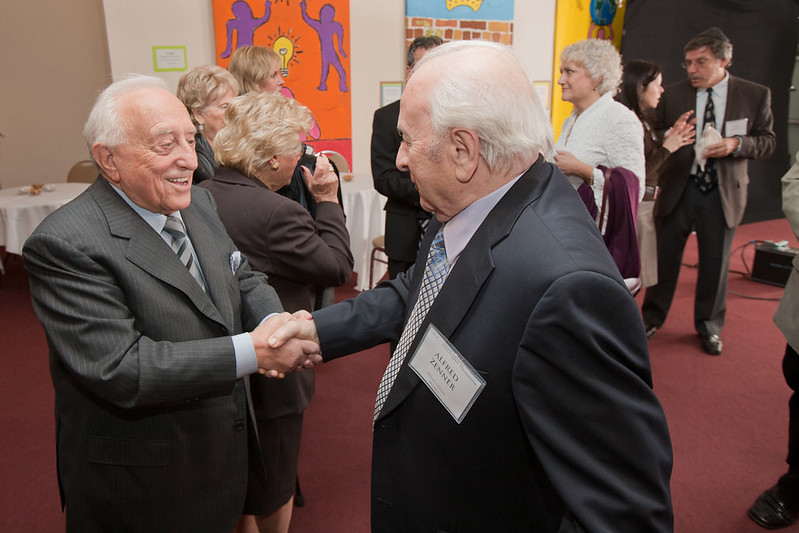
Alfred remained connected to fellow survivors from Lida, members of the Bielski Partisans, and the members of the American Association of Jewish Holocaust Survivors of Greater Boston. They gathered regularly, preserving their bonds. Alfred didn’t view them as friends; he considered them family.
Alfred Zenner passed away in January 2014, just three months after the death of his beloved wife, Micheline. Despite losses and hardships, he never surrendered to despair. His life stands as a lasting testament to courage, compassion, resilience, and hope. His legacy continues to inspire his loving family, all who had the privilege to know him, those whose lives he saved, and generations to come.
“With resilience, the human spirit can endure even the darkest of times.”