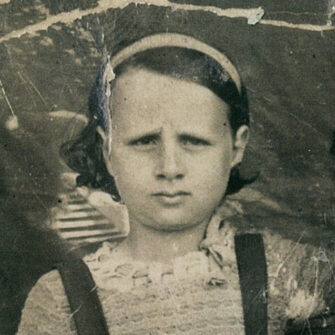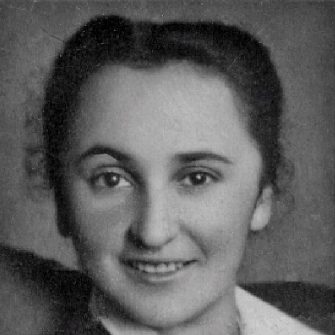
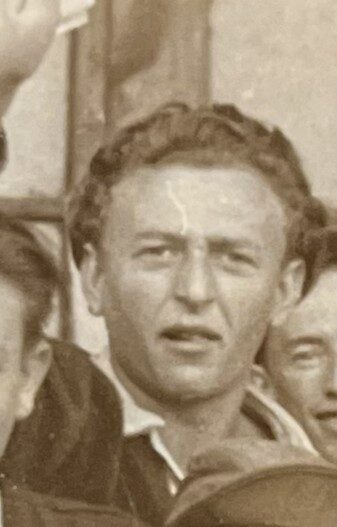
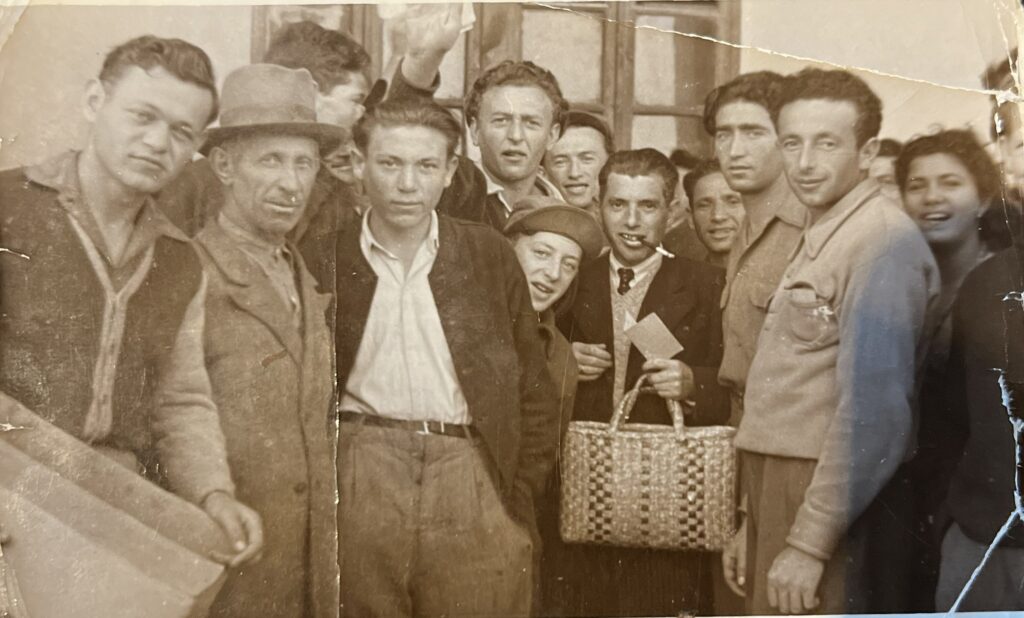
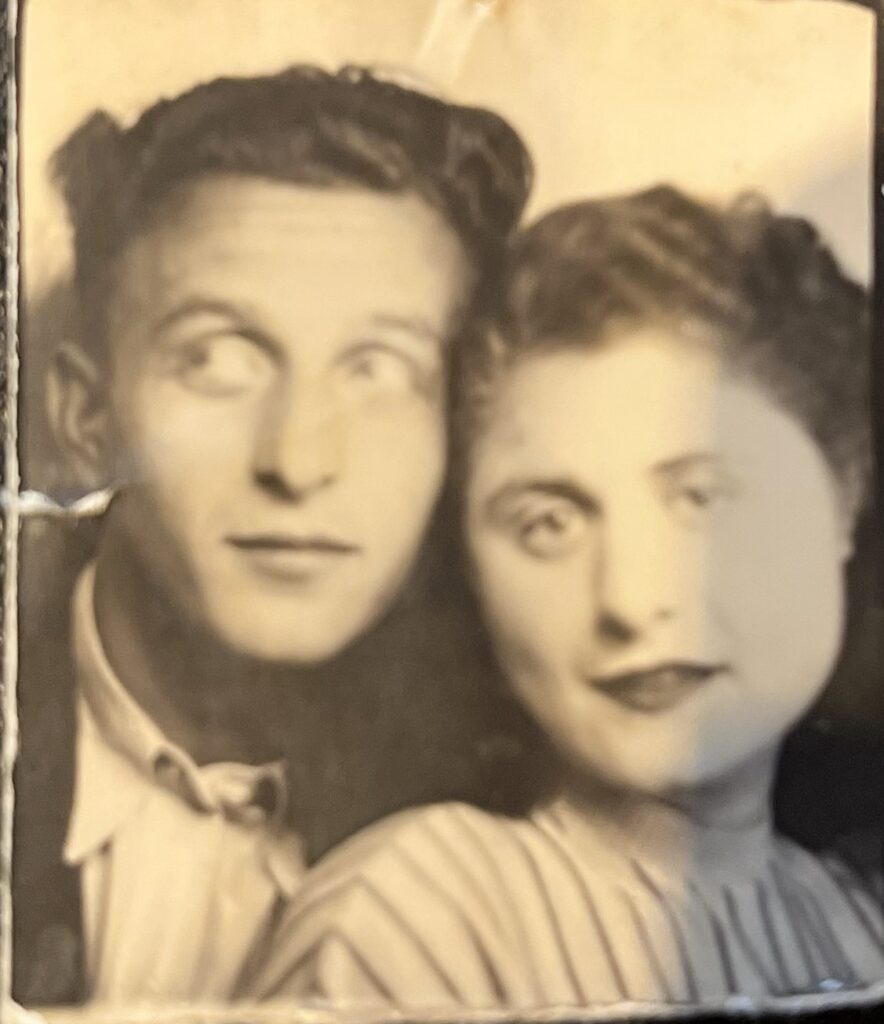
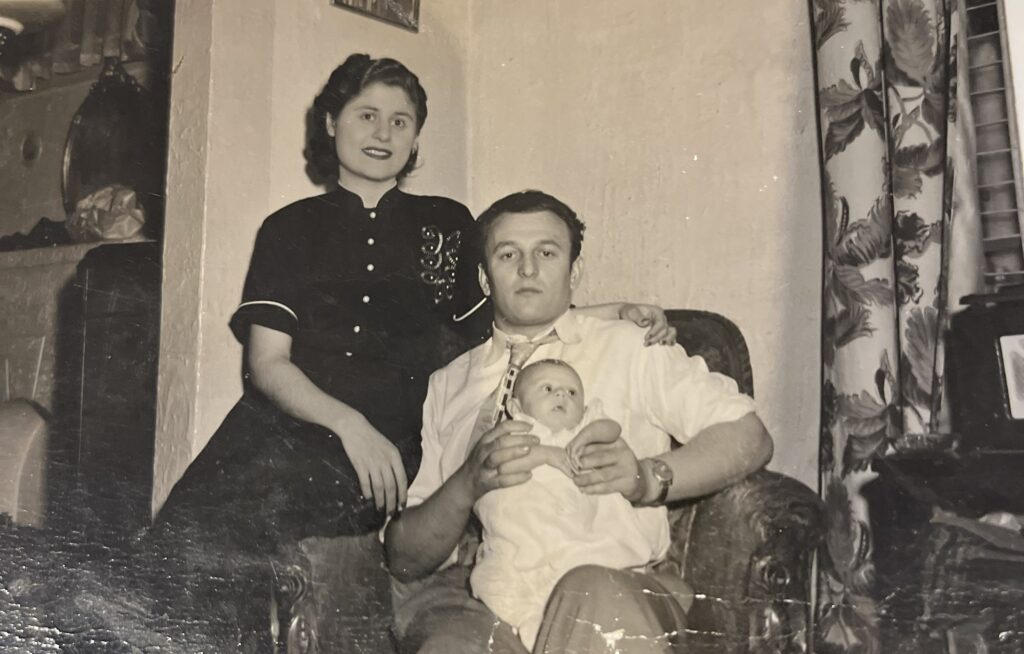
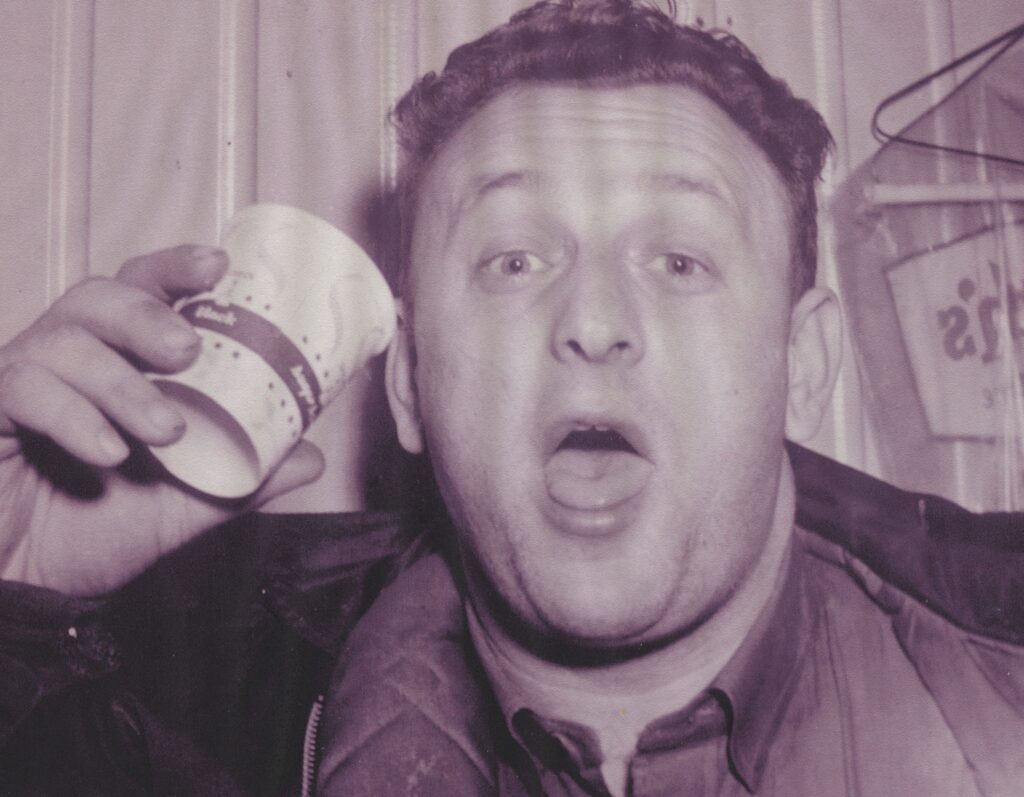
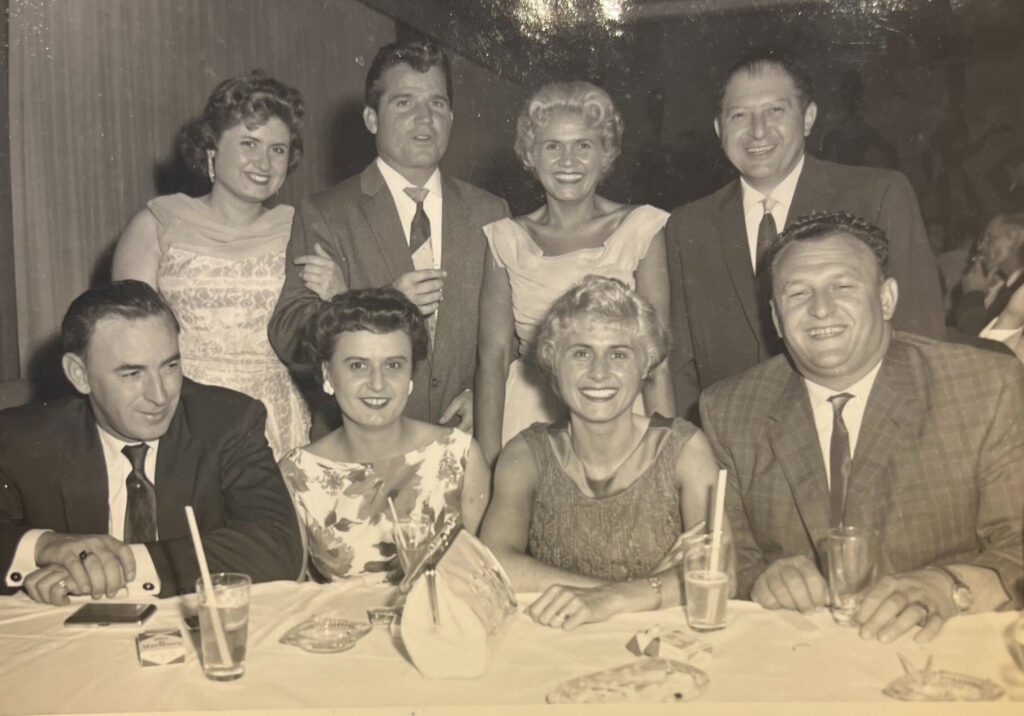
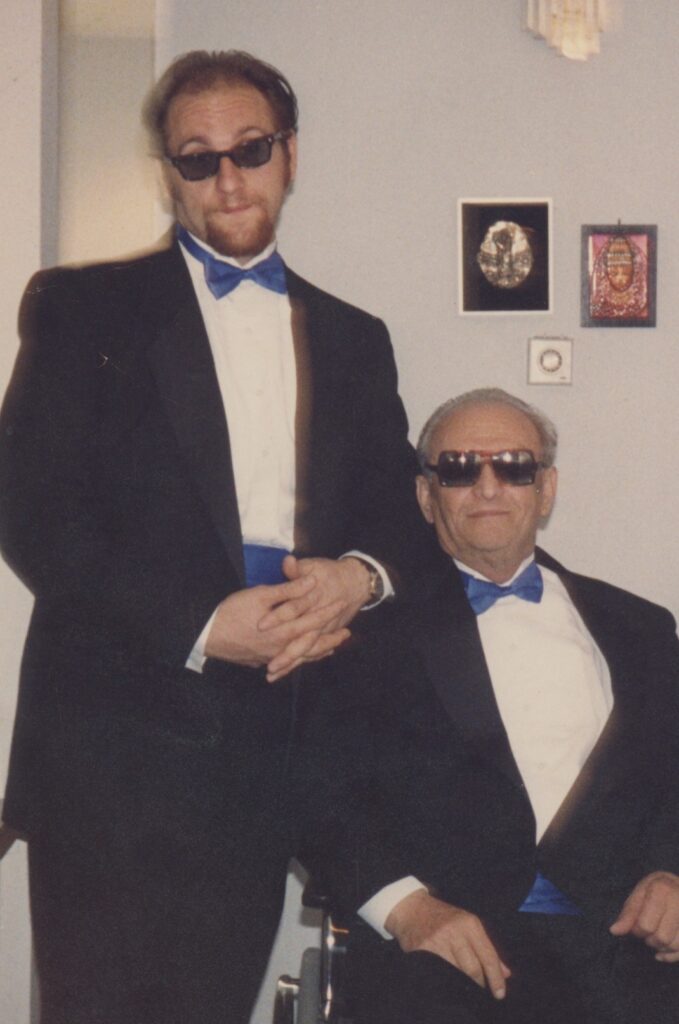
Aaron Kaye was born on December 24, 1928, in Pultusk, Poland, not far from Warsaw. He lived with his parents, Freya and Shraga (Feivel), and two younger sisters, Miriam and Hannah. Aaron’s father served in the Polish Army, and his grandfather was an army tailor. Aaron’s grandfather made small army uniforms for Aaron to play in as a child.
Growing up, Aaron experienced antisemitism among his neighbors and Polish classmates. At the time of the German invasion in September 1939, Aaron’s father was running a clothing store in Pultusk. The family lived in an apartment on Market Street not far from the store. When Nazi motorcycles rumbled through the streets of Pultusk, Aaron saw the writing on the wall. He knew that the Nazis would kill him for being Jewish. Instead of running home after school like his classmates that day, eleven-year-old Aaron ran into the forest. He survived by eating wild berries and whatever he could scavenge.
Aaron eventually joined a Jewish partisan group and assisted the unit by going on missions to obtain food. On one mission, the Germans caught Aaron and his fellow partisans, which included children his own age, as they were taking food from a farm. They were thrown onto cattle cars bound for a concentration camp. The Germans did not bother to search the children, assuming they would not be carrying weapons.
Aaron and the partisans sawed through the window bars in the cattle car with their knives. As they jumped from the window over a bridge, the Germans opened fire. Aaron was shot in his ankle and foot. He was knocked unconscious as he landed on the ground. When he woke up, he was in a Russian partisan camp and his wounds were wrapped in dirty rags. Aaron’s wounds became infected, and the partisans treated him by knocking him out and pouring vodka on the infection.
After Aaron recovered, he was given the job of a courier. He carried messages from camp to camp, instructed to destroy any messages if caught. He also went on food missions, armed with a machine gun. The partisan camp moved every night and was always on the go to evade discovery. As the Germans got closer, the partisans moved further into Russia. The Russian partisans reassigned Aaron to Kazakhstan. At the age of thirteen, Aaron’s job was transporting wheat to be ground into flour, a multiday journey, by camel. He stayed in Kazakhstan until the end of the war.
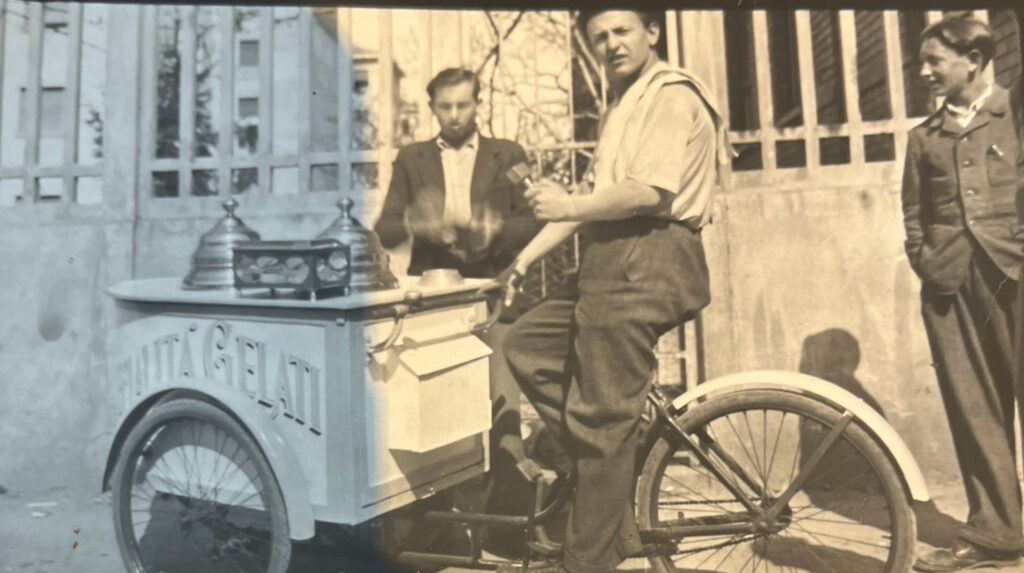
Aaron was sixteen when the war ended and returned to Poland to locate his family. One day at the train station, Aaron ran into his father and they recognized each other at once. The meeting was not planned, and Aaron had no prior knowledge of his father’s whereabouts. He later learned that his mother and sisters were murdered at Auschwitz. Aaron lived for a time in Poland, Germany, and Italy. He made money by smuggling people into Italy and selling items on the black market. When the opportunity came in 1950, Aaron immigrated to Canada to start a new life. He arrived in Winnipeg on his own.
Not long after arriving, Aaron met his wife, Annette. Her family had recently immigrated from Russia and were dedicated to helping other newcomers to Canada. When Aaron arrived as a displaced person, her family gave him lodging.
Aaron and Annette married in 1950. Together, they rebuilt their life. Aaron established a clothing distribution company and Kaye’s Driving School, which is still in operation. Aaron and Annette had four children: Freya, Mark, Libby, and Marvin. They had eleven grandchildren and three great-grandchildren. Aaron passed away in 1992.